
Then go to your nearest emergency department for follow-up care. The symptoms of histamine intolerance are similar to an allergic reaction. For example, potential symptoms include red and itchy skin, nasal congestion, shortness of breath, abdominal pain, and diarrhea. If you have a true alcohol allergy, even small amounts of alcohol can cause symptoms. You can also get allergy testing to check whether you have a true allergy to alcohol. Allergy testing can also tell you if you have an allergy to another component of alcoholic beverages like wheat, grapes, or barley.
Your skin’s reaction can help them learn if you have an allergy. If you have an alcohol allergy, your immune system over-reacts to alcohol. If you have alcohol intolerance, your digestive system doesn’t process alcohol properly.
What Does It Mean to Have a Beer Allergy?
To reduce the risk of having a reaction, look for labels on alcoholic beverages that indicate lower levels of sulfites or those labeled as “sulfite-free”. In general, red wines typically have higher sulfite concentrations than white wines. Additionally, you can opt for wine alternatives such as mead or beer which Nutrition Guide For Addiction Recovery typically contain lower levels of sulfites than wine. This inflammation can trigger a wide range of symptoms like nausea, vomiting, muscle aches, heartburn, and even headaches. Additionally, alcohol can worsen existing allergic reactions as it suppresses the body’s ability to fight off foreign substances.

Alcohol and food allergies can cause serious health problems, yet many people do not take the necessary precautions to prevent them. Alcohol causes an increased permeability in cells, making it easier for undigested particles to enter the bloodstream and causing inflammation. The only solution for alcohol intolerance is to completely avoid alcohol. A small 2014 study of Chinese people with a beer allergy found that sensitivity to sorghum or sorghum malt was the most common cause. Although the main ingredient in beer is water, there are many other ingredients. This generally includes malt barley and brewer’s yeast, along with hops or assorted flavorings.
Can You Mix Benzodiazepines Like Xanax With Alcohol?
But what about if you feel funny while you’re still mid-drink? It could be a sign that you actually have an allergy, or an intolerance. These “ethanol reactors” may have other gene-based abnormalities that cause the accumulation of acetaldehyde following the ingestion of ethanol or ethanol-containing beverages.
- Shaw says symptoms may affect the skin, breathing and circulatory system.
- It is important to be aware of these allergens as they may cause reactions in those who are sensitive.
- A true allergic reaction happens when your immune system goes into overdrive to attack something it sees as a threat.
- If you have alcohol intolerance, your digestive system doesn’t process alcohol properly.
- Rhinitis is often broken down into allergic and nonallergic rhinitis.
Symptoms may occur within seconds or minutes of alcohol exposure and could trigger after exposure to even tiny amounts of the allergen. Anaphylaxis is a life threatening condition that involves a series of symptoms, such as a rash, low pulse, and shock. Avoid the beverage or beverages that seem to cause your reaction until your doctor’s appointment. https://en.forexdata.info/why-do-i-sneeze-when-i-drink-alcohol/ If you’re starting a new medication, it’s always a good idea to talk with your healthcare provider or pharmacist about how your medication can interact with alcohol. I’m about 5’8″, about 175 pounds, the alcohol never really affected me that hard but I just don’t want to kill my liver if it’s a bad combination still this “soon” after drinking.
How Alcohol Affects Your Metabolism
First, some people have lower levels of the enzymes the body needs to break alcohol (ethanol) into metabolites that it can process and excrete. When byproducts of alcohol don’t get broken down quickly enough, they accumulate to levels high enough to cause a mild allergic reaction. White wine has been around for centuries and is enjoyed by many people worldwide. It is typically lighter and sweeter than red wine, but some may find that it can cause sneezing or other irritation. Researchers believe that this could be due to the sulfites used in producing white wine, as well as the histamines found in white grapes. When people consume alcohol, their body tries to detoxify it by breaking down the compound into its smaller components.

If you’re concerned that you have an allergy, your GP will be able to help. “There are many possible reasons that alcohol may cause unpleasant symptoms that are not allergic in nature,” says Shaw. “Your doctor will decide if allergy testing is needed or if the problem is non-allergic (for example histamine intolerance or sulphite sensitivity testing will not be useful here).” However, a person is usually allergic or intolerant to certain ingredients in the drink, rather than the alcohol itself. Symptoms are more likely to be a reaction to the ingredients in a drink, or the alcohol causing other types of allergies to worsen.
Additionally, alcohol can cause a histamine reaction, triggered by the body’s immune system when it comes into contact with the allergen. If you have symptoms after drinking beer, but not after drinking wine or other alcoholic beverages, it’s not alcohol intolerance. More likely, you’re allergic to or sensitive to a particular ingredient in that beer. Certain medications and foods can also trigger alcohol intolerance, as they can interfere with the body’s ability to process alcohol. To reduce the risk of unpleasant reactions, it is important to be aware of any potential triggers and take steps to avoid them.
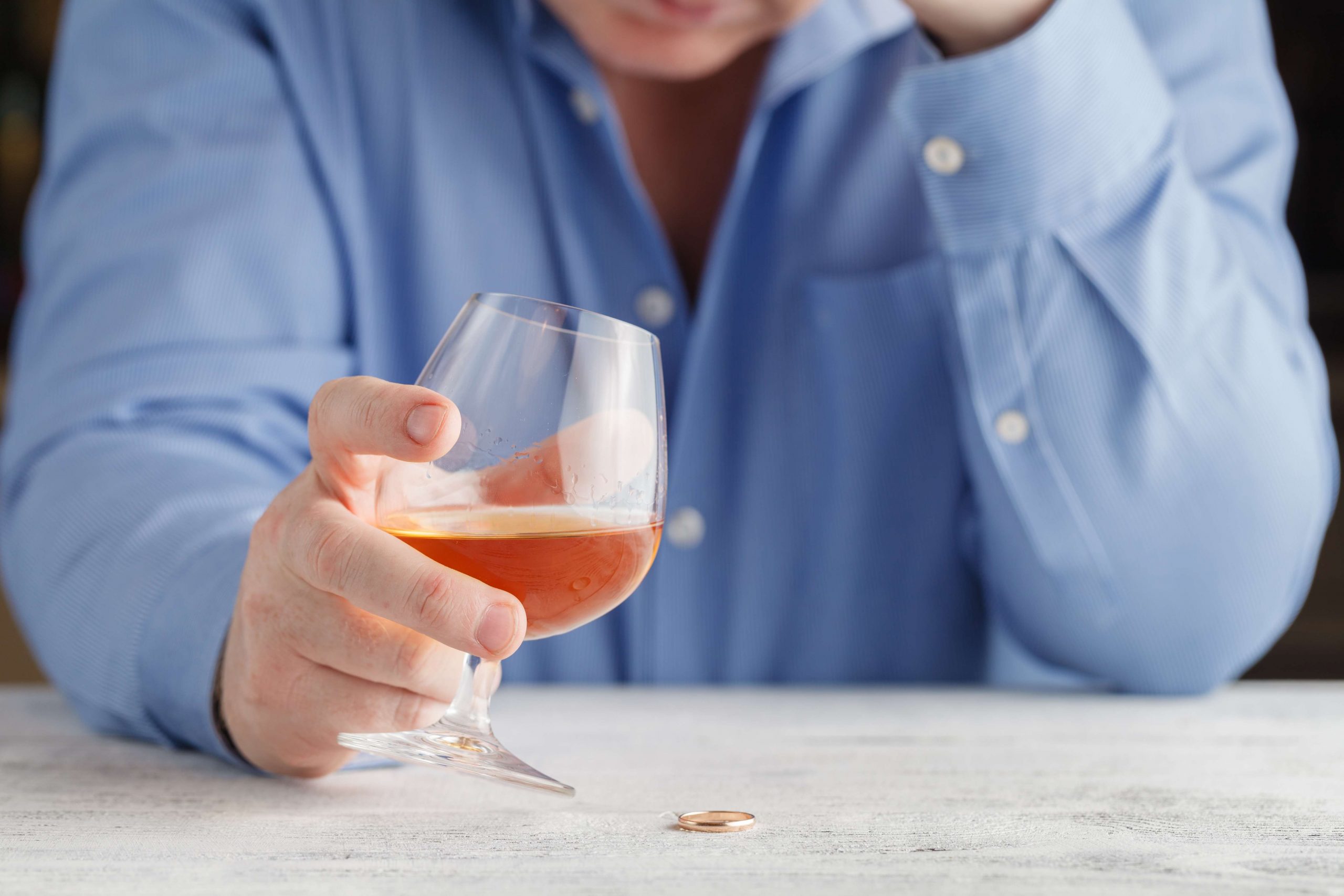
An allergic reaction to food usually happens within a couple of hours. A food allergy is your immune system’s response to a food protein that the body sees as harmful. Allergic reactions that involve hives, wheezing, and chest pain can occur almost immediately. They should be considered severe and potentially life-threatening. If you experience these symptoms, you should seek immediate medical attention. As mentioned, a true allergy to alcohol is extremely rare, though cases of skin reactions have happened.
Additionally, those with sensitivities can opt for organic or biodynamic wines that are free from added sulfites. In contrast to sulfite intolerance, alcoholic hepatitis is a liver disease that occurs when the body cannot break down alcohol efficiently. Symptoms of alcoholic hepatitis may include jaundice (yellowing skin or eyes), fatigue, nausea, and abdominal pain. Treatment for alcoholic hepatitis usually involves lifestyle changes such as abstaining from alcohol, eating a healthy diet and exercising regularly.
- You can also get allergy testing to check whether you have a true allergy to alcohol.
- Hodgkin’s lymphoma is a type of cancer that can affect your lymphatic system.
- Dilated blood vessels can cause inflammation and swelling in the nasal passages.
- If you are experiencing any of these symptoms after consuming wine, it could be because you are allergic to one or more components found in the beverage.
